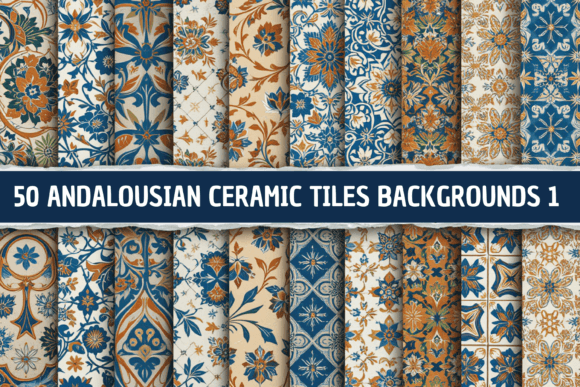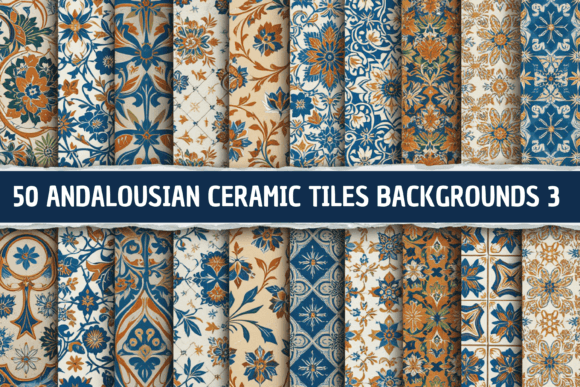
50 Ceramic Tiles Backgrounds 3: Elevate Your Designs with Authentic Andalusian Artistry
Imagine transforming a simple webpage or product label into a vibrant piece of cultural history. That is the power of 50 Ceramic Tiles Backgrounds 3. This collection is not merely a set of digital textures; it is a curated library of intricate geometric patterns and color stories rooted in centuries of Islamic art traditions. For designers, marketers, and content creators, these backgrounds offer a sophisticated way to inject authenticity and visual depth into projects ranging from brand identity to social media graphics.
At its core, this collection captures the essence of Andalusian craftsmanship. You will find deep cobalt blues contrasting sharply with pristine whites to create complex star patterns and interlocking arabesque motifs. However, the versatility goes far beyond the classic blue and white. The palette extends into emerald greens, golden yellows, and rich terracotta reds. Whether you are working on a Mediterranean-inspired travel blog or a rustic food packaging design, there is a specific combination here to match the mood. The collection includes earth-toned variations that combine warm browns and sage greens in hexagonal arrangements, perfect for packaging design that requires a grounded, organic feel.
Visual Character and Modern Adaptability
What makes 50 Ceramic Tiles Backgrounds 3 stand out in a crowded market of design assets is its commitment to mathematical precision. Traditional Andalusian patterns rely on perfect symmetry and seamless repetition. This collection honors that tradition while adding subtle digital enhancements. You will notice textural effects and gradients that give the tiles a realistic, tactile quality without sacrificing the clean lines of the original architecture. This balance makes them ideal for modern web design, where high-resolution imagery is essential for engagement.
While the historical roots are strong, the application is thoroughly modern. The collection features interpretations that lean into contemporary aesthetics. For instance, if you are building a brand identity for a tech startup or a modern lifestyle brand, consider the variations utilizing teal, turquoise, and indigo. These cooler tones in contemporary geometric compositions feel fresh and forward-thinking. Conversely, the black and white versions strip away the color to emphasize the sophisticated mathematical precision of the patterns. These are excellent for editorial design or high-end logo design where you want texture without overwhelming the typography.
Strategic Applications for Creatives and Brands
As a creative professional, your choice of background dictates the hierarchy of your design. Using these backgrounds effectively requires understanding where they fit best. They are not just "wallpaper"; they are active participants in the visual narrative.
- Digital Marketing and Social Media: In the fast-scrolling environment of Instagram or Pinterest, a bold Andalusian pattern stops the thumb. Use these backgrounds for quote cards or promotional banners. The vibrant jewel tones—ruby red, sapphire blue, and amethyst purple—ensure high visibility and engagement.
- Web Design and UI: While a full-page tiled background might be overwhelming for text-heavy sites, these patterns excel as hero sections, footer designs, or distinct section dividers. They can define different content categories visually, aiding in user navigation.
- Packaging and Product Design: For physical goods, especially in the food, beverage, or artisanal craft sectors, these backgrounds communicate quality and tradition. A hexagonal earth-toned pattern on a coffee bag or a floral motif on a soap label instantly tells a story of craftsmanship.
- Print and Editorial: When designing brochures, magazine covers, or book jackets, these textures add a layer of luxury. They work exceptionally well behind mastheads or pull quotes, providing a rich backdrop that makes serif or sans-serif fonts pop.
Technical Considerations and Pairing Strategies
To get the most out of 50 Ceramic Tiles Backgrounds 3, you need to treat them as you would a premium font. Just as you wouldn't pair a busy script font with a detailed handwritten font, you need to balance these intricate backgrounds with the right typography.
Font Pairing: Because the backgrounds feature complex geometry and detail, your typography needs to breathe. A clean, geometric sans serif font often works best for headlines, providing a modern counterpoint to the traditional patterns. For body text, a highly legible serif font with good spacing ensures readability against the textured background. Avoid overly decorative fonts that might clash with the arabesque motifs.
Readability and Hierarchy: The biggest risk with patterned backgrounds is making text illegible. Use these backgrounds strategically. If you are placing text directly over the pattern, consider using a semi-transparent overlay or a "knockout" shape (a solid color block behind the text) to ensure contrast. This maintains the modern typography standards required for professional publishing and marketing materials.
Evaluating Fit: Before committing to a pattern, test it at the scale of your final output. A pattern that looks like a cohesive texture on a business card might look entirely different when blown up for a trade show banner. Ensure the repetition rate matches your project size. Furthermore, review the licensing. Since these are commercial fonts and assets, verify that the license covers your intended use, whether for client work, merchandise, or digital products.
Authenticity in the Digital Age
In an era where AI-generated content and generic stock photos are ubiquitous, using authentic, culturally rich design elements like 50 Ceramic Tiles Backgrounds 3 helps build trust. It shows an appreciation for history and craftsmanship. For entrepreneurs and small business owners, this attention to detail can elevate a brand from "amateur" to "established." It signals that you care about the aesthetic experience of your customer.
Ultimately, this collection is a bridge between the past and the present. It allows you to leverage the timeless appeal of Islamic geometry and Mediterranean color theory within a modern digital framework. Whether you are crafting a logo design for a new restaurant, laying out a travel magazine, or designing a set of wedding invitations, these backgrounds provide a foundation of beauty, symmetry, and cultural resonance that generic patterns simply cannot match.