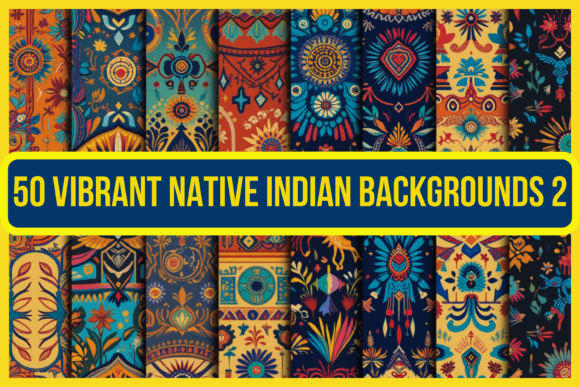
Exploring Native American Pattern Backgrounds 2
A Tapestry of Symbolism and Style
Native American Pattern Backgrounds 2 is more than just a collection of digital files; it's a curated design asset that channels the profound artistry and storytelling of Indigenous cultures. This resource typically features a suite of repeating motifs—think sharp arrows, rhythmic zigzags, sacred diamonds, and powerful totemic symbols—all arranged with a deep sense of balance and symmetry. The visual personality is one of strength, heritage, and connection to the natural world. It’s a style that feels both timeless and grounded, offering a distinct alternative to more generic geometric or floral patterns.
The appeal lies in its authenticity and versatility. These aren't flat, one-dimensional designs. They carry weight and history, often rendered with a tactile quality that mimics traditional beadwork or woven textiles. The color palettes are a critical component. You'll find earthy tones like terracotta red, desert sand, and deep charcoal, which evoke the land. These are frequently paired with vibrant accents—turquoise reminiscent of sky and water, or warm ochre suggesting fire and sun. This combination allows Native American Pattern Backgrounds 2 to serve as a powerful foundation or a striking accent in any project, providing immediate visual interest and cultural resonance.
Practical Applications: From Screen to Print
Understanding where this design asset truly shines is key to using it effectively. Its strong visual identity makes it a natural fit for projects that aim to convey authenticity, craftsmanship, or a connection to nature and history.
Digital & Branding: In the realm of web design, these patterns can create immersive hero sections, compelling section dividers, or unique social media graphics that stop the scroll. For logo design and brand identity, a subtle use of a pattern element can add depth to a brand's story, especially for businesses in outdoor apparel, artisanal goods, wellness, or cultural tourism. It works exceptionally well as a background for a display font or serif font, allowing the typography to pop while the pattern provides context and texture.
Print & Packaging: The scalability of formats like SVG makes this asset ideal for high-resolution print work. Consider its use in packaging design for coffee, tea, or craft products where the pattern can communicate an earthy, premium feel. In editorial design, it can frame feature articles or act as a thematic backdrop for publications focused on travel, culture, or history. For physical products, it translates beautifully onto textiles for blankets, pillows, or apparel, and onto paper goods like notebooks and greeting cards.
Integrating the Pattern into Your Workflow
Successfully incorporating Native American Pattern Backgrounds 2 into your work requires a thoughtful approach. Here’s some practical guidance:
Evaluate Context and Respect: First, consider your project's message. Is it appropriate? Using these patterns respectfully means appreciating their cultural origins. Avoid trivializing sacred symbols. Research the motifs if possible to ensure your application is thoughtful and informed.
Font Pairing is Crucial: This is where your design sense as a creative professional comes in. The busy, intricate nature of the pattern demands typography with clarity. A clean, bold sans serif font often works best for headlines, providing a modern counterpoint to the traditional pattern. A sturdy serif font can also pair well, leaning into a more classic, editorial feel. Avoid overly decorative script fonts or handwritten fonts for body text, as they can become illegible against the pattern. Use them sparingly for short accents if the style fits.
Test for Readability and Hierarchy: Always test your text over the pattern at various sizes and on different screens. Use the pattern strategically—perhaps as a footer background, a sidebar element, or with a semi-transparent overlay—to ensure your main content remains easy to read. The goal is to use the pattern to enhance visual hierarchy, not compete with it.
Leverage the File Formats: A quality set will include PNG files (with transparency for easy layering), JPGs, and SVGs. The SVG format is particularly valuable for web design as it scales perfectly without losing quality and keeps file sizes manageable. For print, use high-resolution PNGs or vector files to ensure crisp output.
By treating Native American Pattern Backgrounds 2 as a considered design asset rather than just a decorative fill, you can unlock its potential to add meaningful depth, narrative, and a powerful sense of place to your creative projects. It’s a resource that rewards careful application, helping you build more distinctive and engaging brand identities and marketing materials.