The Timeless Appeal of Leather Texture Backgrounds for Designers
There’s something undeniably tactile about a leather surface. It speaks of heritage, quality, and a certain rugged sophistication that synthetic materials struggle to replicate. In the digital design world, capturing that essence is a powerful tool. This is where a high-quality set of Leather Texture Backgrounds becomes an indispensable asset. It’s more than just a digital paper; it’s a foundational layer that can instantly elevate a project, adding depth, warmth, and a narrative of craftsmanship.
Understanding the Visual Character
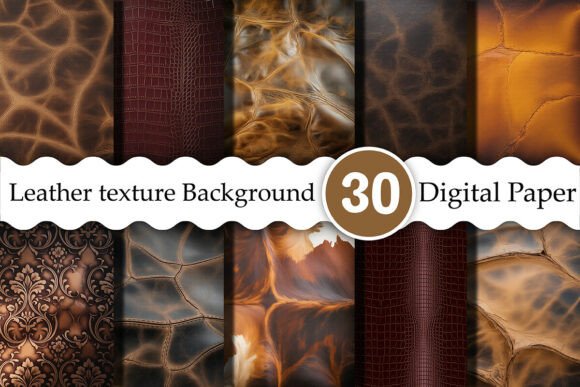
A well-crafted leather texture is a study in organic complexity. It’s not a flat, repeating pattern. Instead, it features subtle variations in tone, natural grain, fine lines, and the occasional mark that tells a story of wear and use. The personality it conveys is one of authenticity and timelessness. Depending on the specific style—whether it’s a smooth, polished calfskin, a rugged distressed hide, or a soft suede—the texture can range from luxurious and professional to vintage and adventurous. This versatility in style and appeal makes it a remarkably flexible design asset for a wide array of creative projects.
Practical Applications Across Industries
The true value of this collection lies in its real-world utility. These backgrounds are engineered for versatility, making them perfect for both digital and print applications. Here’s where they truly shine:
- Sublimation & Physical Products: The high-resolution 300DPI and precise 12x12 inch dimensions are ideal for sublimation printing. This allows you to create stunning, durable designs for mugs, coasters, phone cases, and apparel where the texture needs to withstand physical handling.
- Digital Journals & Planners: For creators in the digital planning space, these textures provide a realistic, engaging background for Digital Journal Paper. They make the experience of using a digital planner on a tablet feel more immersive and personal, enhancing user engagement.
- Branding & Marketing Materials: From logo design to social media graphics, a leather texture adds instant credibility. Use it as a background for a law firm’s website header, a whiskey brand’s packaging mockup, or a photographer’s portfolio cover. It subtly communicates durability and premium quality.
- Publishing & Editorial Design: Think beyond the page. These textures make compelling backgrounds for e-book covers, magazine layouts, and author websites, especially within genres like mystery, history, or luxury lifestyle.
- Scrapbooking & Seasonal Projects: For crafters and hobbyists, the set offers a rich palette for creating invitations, wall art, and scrapbook pages with a rustic, autumnal, or vintage feel.
Influence on Design Outcomes
Choosing the right background is a strategic decision that influences several key aspects of a project’s success:
- Visual Hierarchy & Readability: A textured background can help set the stage, allowing foreground elements like typography or product images to pop. The key is to ensure sufficient contrast. Pairing these backgrounds with clean, sans serif fonts for body text or elegant serif fonts for headlines often yields excellent results, maintaining readability while adding character.
- Brand Perception & Consistency: Consistently using a specific leather texture across your brand’s materials—from your website to your invoice templates—builds a recognizable and cohesive brand identity. It becomes a visual shorthand for the values you want to project, whether that’s tradition, resilience, or bespoke luxury.
- Professionalism & Recognition: A thoughtfully integrated texture demonstrates attention to detail. It moves a design from generic to considered, which can significantly impact how your audience perceives your professionalism. This recognition is a cornerstone of effective brand strategy.
A Guide to Choosing and Using This Asset
Integrating a new design asset effectively requires a bit of thought. Here’s a practical approach:
- Evaluate the Project Fit: Before applying the texture, ask if it aligns with your project’s tone. Is the goal to feel modern and sleek, or classic and established? The style of the leather grain will guide this choice.
- Test Font Pairings: Experiment with typography. A bold display font can stand strong against a busy texture, while a delicate script font might require a more uniform area of the background to remain legible. Always test at the final output size.
- Review the Included Styles: A set of 30 files offers variety. Don’t default to the first one. Explore different colors and grain patterns to find the perfect match for each specific application, whether it’s a dark, moody background for a packaging design mockup or a lighter, worn texture for a web design element.
- Consider Commercial Licensing: For entrepreneurs and small business owners, clarity on licensing is crucial. Ensure the asset is licensed for your intended use, especially if you’re creating products for sale or client work. This protects your business and respects the creator’s work.
Ultimately, a collection of Leather Texture Backgrounds is a testament to the power of modern typography and design assets working in harmony. It’s not about replacing other elements but about providing a rich, evocative canvas that enhances everything placed upon it. By understanding its characteristics and applying it with intention, you can add a layer of tactile authenticity and visual weight to your projects that purely digital elements often lack.