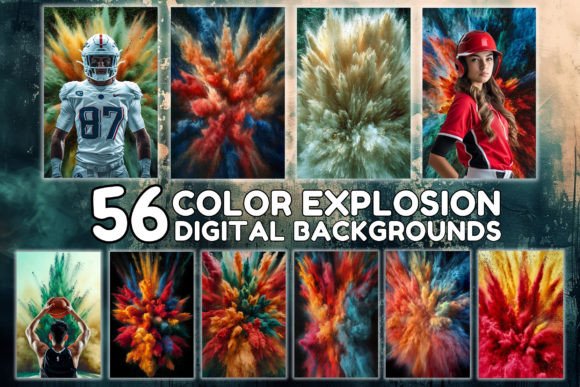
Transform Your Photos with Baseball Backdrops Sport Backgrounds
Every photographer and digital artist hits a creative wall. You have a great subject—a player in mid-swing, a team portrait, a product shot—but the background falls flat. It’s generic, uninspired, or simply the wrong context. This is where a curated library of high-quality digital assets becomes invaluable. Baseball Backdrops Sport Backgrounds is a specialized collection designed to solve this exact problem, offering a toolkit for anyone looking to inject authentic athletic energy and professional depth into their visual projects.
More Than Just a Background: Defining the Visual Style
This collection isn't a random assortment of stadium photos. It's a focused set of 20 distinct digital backdrops, each crafted with a specific visual personality. The style leans into the gritty, textured reality of the sport. Expect to find images that evoke the dusty infield, the weathered green of outfield grass under bright stadium lights, the close-up texture of a worn leather baseball glove, and the dynamic blur of a crowd in the stands. The overall appeal is one of authenticity and atmosphere. These aren't sterile, overly-processed images; they carry a sense of place, history, and action. This makes them powerful design assets for projects that need to feel real, energetic, and grounded in the world of baseball.
The technical specifications are built for professional use. Delivered in both 3:2 and 2:3 aspect ratios at a massive 4000x6000 and 6000x4000 pixels respectively, each file is a high-resolution JPG at 300dpi. This ensures your final composites will be crisp and clear, whether destined for a small social media graphic or a large-format print. The high pixel count gives you significant flexibility to crop, resize, and manipulate the images without losing quality—a critical feature for any serious creative font or visual asset in a designer's toolkit.
Strategic Applications for Designers and Marketers
Understanding where an asset like this shines is key to its value. Its utility extends far beyond simple photo editing. For a graphic designer, these backdrops are a foundation for compelling editorial design in sports magazines, yearbook layouts, or athlete feature stories. Instead of a flat color, a textured backdrop can add depth and context to a headline or pull quote. In packaging design, imagine a premium sports drink or a brand of athletic tape using a close-up of a baseball diamond texture as part of its label—it immediately communicates its market and ethos.
For marketers and content creators, the applications are equally practical. A small business owner creating social media graphics for a local sports camp, a batting cage, or a vintage sports memorabilia shop can use these backgrounds to create a consistent, professional-looking feed. The backdrops can help establish a strong brand identity that resonates with a target audience of sports enthusiasts. A blogger writing about baseball history or training tips can use them to create featured images that are far more engaging than standard stock photos. The key is that these assets provide a shortcut to a polished, thematic visual language without requiring a full-scale photo shoot.
Integrating Assets into a Cohesive Design Workflow
Simply having the files isn't enough; integrating them effectively is what separates amateur work from professional results. The first step is always project evaluation. Ask yourself: does the mood of the backdrop match the message of my project? A gritty, dusty infield texture might be perfect for a rugged brand but less suitable for a soft, family-oriented league announcement. Always test the backdrop with your primary subject before committing. Use layer blending modes and masking in Adobe Photoshop to see how the textures interact with your image.
Consider how the backdrop influences visual hierarchy. A busy, high-contrast background can compete with your subject. Use techniques like blurring the backdrop slightly, reducing its opacity, or applying a color overlay to push it into the background both literally and figuratively. This ensures your main subject remains the focal point. For text-heavy designs, ensure there is enough negative space or a sufficiently calm area within the backdrop for your typography to be legible. This is where a good display font paired with a clean sans serif font for body copy can work well against a textured background, as their clear forms stand out.
Practical Tips for Selection and Use
- Evaluate for Context: Choose a backdrop that matches the era, energy, and environment you need. A night-game stadium shot has a different feel than a sun-drenched spring training field.
- Test for Readability: Always overlay your text and key graphics early in the process. If the background texture is too dominant, use Photoshop's adjustment layers (like Brightness/Contrast or Hue/Saturation) to tone it down.
- Think in Layers: The best composites often use elements from multiple backdrops. You might use the grass texture from one image and the blurred crowd from another to build a unique scene.
- Consider Commercial Licensing: Before using any asset in a client project or for commercial sale, verify the licensing terms. Ensure it covers your intended use, whether for a one-off design or a large marketing campaign.
Ultimately, Baseball Backdrops Sport Backgrounds is a practical design asset for a specific niche. Its value lies in its ability to provide instant context, mood, and professionalism to a wide range of projects. By thoughtfully selecting, testing, and integrating these textures, you can elevate your work from simple edits to compelling visual storytelling that truly connects with an audience passionate about the sport.